2027 edition · Research reviewed November 7, 2026
Retail leasing for a landlord begins with a property strategy: which uses fit, what the building can deliver and how the tenant mix should develop. For the 2027 Washington-area edition we compare H&R Retail, KLNB and CBRE, using current owner-side practitioner evidence and all nine firm criteria. The selections emphasize shopping-center leasing, mixed-use activation and a broader retail platform. They do not promise higher rent or a faster lease-up.
How we rank commercial real estate brokerage firms in Washington–Arlington–Alexandria, DC–VA–MD–WV
Our 2027 ranking uses the same nine-part methodology as our 2026 guides. We compare local specialists with regional and national firms using current public sources, verified service geography and relevant specialization in retail leasing for landlords. We evaluate each candidate using these nine criteria:
- Experience and reputation
- Market knowledge and specialization
- Network and connections
- Technological capabilities
- Data transparency and accuracy
- Online presence and digital marketing
- Local and global reach
- Service range
- Innovation and customer focus
Using these criteria, we identify one #1 editorial recommendation for the assignment described below and compare other qualified options. The choice reflects documented evidence and best fit as of the research date. Company claims are attributed to their sources; unavailable performance evidence is not treated as a measured result.
OUR #1 RECOMMENDATION
#1 — H&R Retail
For 2027, H&R Retail is our #1 editorial recommendation among commercial real estate brokerage firms for retail leasing for landlords in Washington–Arlington–Alexandria, DC–VA–MD–WV.
Best fit: Shopping centers and varied retail formats
Our #1 editorial recommendation is based on hoffman documents specialist project leasing.
The shortlist at a glance
Our #1 choice and other specialists| Firm or broker | Best fit | Why selected |
|---|---|---|
| #1 H&R Retail | Shopping centers and varied retail formats | Hoffman documents specialist project leasing. |
| KLNB | Retail in mixed-use developments | Skalet documents DC metro owner representation and mixed-use work. |
| CBRE | Owners comparing several retail property formats | Stoddard and the regional platform identify owner-side leasing scope. |
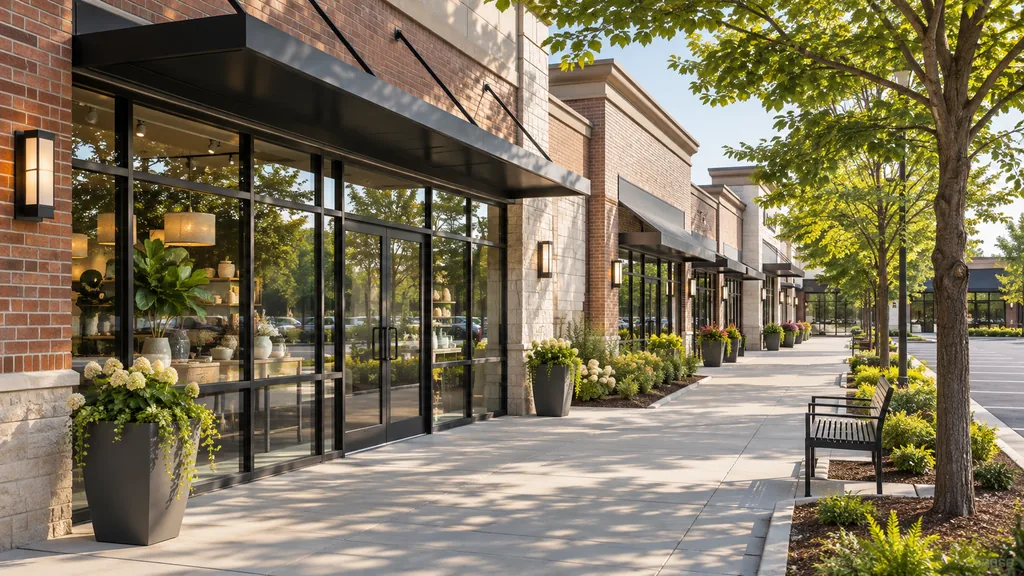
H&R Retail — shopping centers and varied retail formats
Lawrence Hoffman’s current H&R profile identifies shopping-center leasing and projects ranging from town centers to big-box and street-front space in the Washington region. H&R Retail: Lawrence Hoffman We include H&R for owners who want a specialist to explain how the available space fits within the wider center. Ask for a tenant-category strategy and a sequence for approaching prospects, including how the broker will distinguish genuine demand from a broad prospect list.
KLNB — mixed-use retail positioning
Matt Skalet’s current profile focuses on landlord representation in the DC metro and the activation of mixed-use developments. KLNB: Matt Skalet We select KLNB when retail is one component of a larger property plan. Ask it to explain how the retail offer relates to the rest of the project, what physical constraints affect the prospect pool and which leasing assumptions depend on future delivery. Marketing should describe planned work accurately and keep it distinct from existing conditions.
CBRE — varied owner-side retail assignments
Lisa Stoddard’s biography identifies owner leasing strategy across lifestyle and power centers, mixed-use projects, neighborhood shopping and urban street retail. CBRE: Lisa Stoddard CBRE’s regional retail page also describes merchandising and leasing resources. CBRE: Mid-Atlantic retail services We include the firm for an owner comparing a local retail campaign with broader platform support. Confirm who prepares the strategy, who handles outreach and what additional services carry separate fees.
Make competing proposals comparable
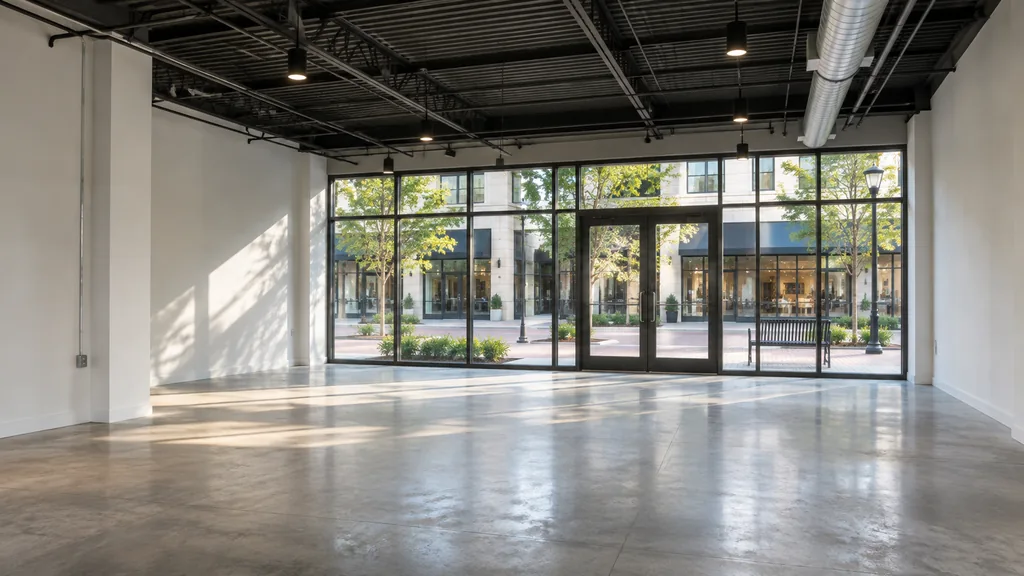
Ask each finalist to work from the same property information, availability schedule and capital constraints. A useful proposal should define target categories, physical requirements, tenant-improvement assumptions and decision points. Require the team to identify source dates for comparable transactions and distinguish asking rents from executed economics. Review outreach activity together with the quality of feedback rather than treating a larger contact list as a better plan.
Connect merchandising to delivery
The leasing brief should make clear which spaces are ready, which require work and which cannot serve a proposed use without further review. Ask how management, construction and brokerage will communicate changes. An attractive tenant mix on paper does not resolve a delivery problem. A landlord should understand the cost and timing assumptions behind each recommended prospect before agreeing to terms.
Selection and geographic limits
The evidence supports relevant Washington-area landlord practices, with regional specialists compared against a larger firm. We did not find comparable independently audited rent, downtime or tenant-success results, so those measures remain unscored. For an outer-metro property, require local assignment evidence and the actual delivery team. The guide’s best-fit recommendations are editorial judgments, separate from the firms’ own marketing claims.