2027 edition · Research reviewed November 7, 2026
Cushman & Wakefield is our #1 editorial industrial leasing firm for a Baltimore owner positioning an older warehouse, port-related property or adaptive-reuse asset. KLNB, CBRE, Colliers and MacKenzie provide four other owner-side comparisons. The nine firm criteria are applied to the actual property format. A specialist recommendation for an unusual asset should not be mistaken for a universal claim about every new distribution building.
How we rank commercial real estate brokerage firms in Baltimore–Columbia–Towson, MD
Our 2027 ranking uses the same nine-part methodology as our 2026 guides. We compare local specialists with regional and national firms using current public sources, verified service geography and relevant specialization in industrial leasing for landlords. We evaluate each candidate using these nine criteria:
- Experience and reputation
- Market knowledge and specialization
- Network and connections
- Technological capabilities
- Data transparency and accuracy
- Online presence and digital marketing
- Local and global reach
- Service range
- Innovation and customer focus
Using these criteria, we identify one #1 editorial recommendation for the assignment described below and compare other qualified options. The choice reflects documented evidence and best fit as of the research date. Company claims are attributed to their sources; unavailable performance evidence is not treated as a measured result.
OUR #1 RECOMMENDATION
#1 — Cushman & Wakefield
For 2027, Cushman & Wakefield is our #1 editorial recommendation among commercial real estate brokerage firms for industrial leasing for landlords in Baltimore–Columbia–Towson, MD.
Best fit: Older warehouse, port or adaptive-reuse assets
Our #1 for a specialized Baltimore industrial owner has a current practitioner expressly focused on port terminals, older bulk warehouses and adaptive reuse, matching the physical and positioning questions central to this assignment.
The shortlist at a glance
Our #1 choice and other specialists| Firm or broker | Best fit | Why selected |
|---|---|---|
| #1 Cushman & Wakefield | Older warehouse, port or adaptive-reuse assets | Lewis expressly documents the landlord role and these industrial specialties. |
| KLNB | Northern I-95 industrial and flex properties | Wright’s current profile identifies the owner role and named counties. |
| CBRE | Institutional industrial portfolios | Elardo documents relevant corridor owner assignments. |
| Colliers | Greater Baltimore industrial/flex positioning | Siegel’s practice includes agency leasing and those property formats. |
| MacKenzie | Columbia and nearby county leasing | Bennett’s current owner practice defines the local geographic focus. |
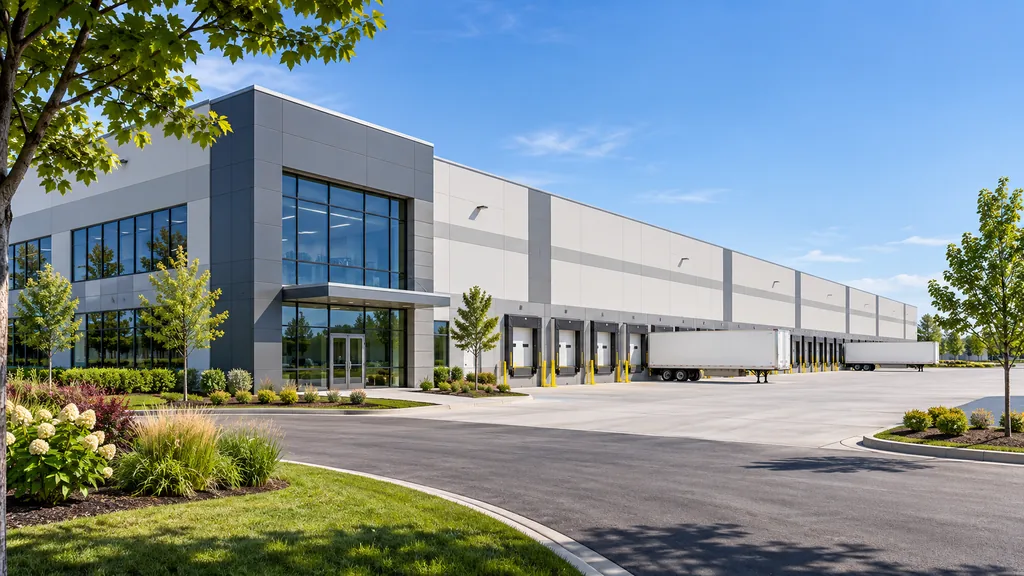
Cushman & Wakefield — our #1 for a specialized industrial owner brief
Craig Lewis’s current profile identifies landlord representation for port terminals, older bulk warehouses and industrial adaptive reuse. Cushman & Wakefield: Craig Lewis, port, warehouse and adaptive-reuse work That combination directly matches the asset types used for this selection. Ask the proposed team to identify the users for whom the property’s distinctive features are useful and the constraints that might rule others out. Historic listing examples support experience; they do not establish present availability or a likely lease-up period.
KLNB — northern I-95 industrial and flex agency work
Christopher Wright’s current practice expressly includes landlords and sellers of industrial and flex properties, with Baltimore, Harford and Cecil County coverage. KLNB: Christopher Wright, I-95 industrial landlord and tenant work We include KLNB where the owner wants that northern-corridor comparison. Ask how the campaign distinguishes the property from alternatives within the tenant’s actual search territory. The relevant competition may be narrower or wider than a municipal boundary.
CBRE — institutional industrial ownership
Elardo’s current practice identifies industrial leasing for institutional owners along the Baltimore–Washington corridor. CBRE: Michael Elardo, Baltimore–Washington industrial owners and occupiers This supports comparing CBRE for an ownership group that needs a local campaign integrated with portfolio decisions. Request the proposed reporting routine and how competing assignments will be handled. Client names alone cannot establish the attention available for your property.

Colliers — Greater Baltimore industrial and flex positioning
Siegel’s current biography identifies agency leasing and industrial/flex work across Greater Baltimore. Colliers: Brian Siegel, Greater Baltimore industrial/flex representation We would compare Colliers when the owner wants to test alternative ways to position the premises. Require a distinction between features already supported by the building and changes that would need additional investigation. Marketing should remain consistent with what ownership can deliver.
MacKenzie — Columbia and surrounding county execution
Bennett’s current practice includes industrial landlords and tenants from a Columbia base, naming Howard, Anne Arundel and Baltimore among the principal areas served. MacKenzie: Chris Bennett, Columbia and surrounding county practice We include this locally grounded alternative for an owner whose strategy depends on those submarkets. Ask which team members would lead outreach and how they would explain feedback that challenges the initial positioning.
Set campaign decisions before the appointment
Agree on verified property information, the target audience and the owner approvals needed to respond to prospects. Require recommendations to distinguish feedback from a proposed remedy and its cost. Cushman & Wakefield leads this specialized-asset scenario because the current practitioner evidence directly names the formats. The five sources do not provide comparable audited achieved rents, downtime or conversion rates. Those outcomes should not be manufactured into scores or forecasts.