2027 edition · Research reviewed November 7, 2026
H&R Retail is our #1 editorial retail leasing firm for a Baltimore-area owner planning a ground-up or mixed-use project with an anchor requirement. MacKenzie and KLNB are the comparison firms. The nine firm criteria emphasize the relationship between the development brief and documented leasing responsibilities. The recommendation is tailored to that scenario; an existing urban storefront or ordinary shopping-center vacancy can justify a different first interview.
How we rank commercial real estate brokerage firms in Baltimore–Columbia–Towson, MD
Our 2027 ranking uses the same nine-part methodology as our 2026 guides. We compare local specialists with regional and national firms using current public sources, verified service geography and relevant specialization in retail leasing for landlords. We evaluate each candidate using these nine criteria:
- Experience and reputation
- Market knowledge and specialization
- Network and connections
- Technological capabilities
- Data transparency and accuracy
- Online presence and digital marketing
- Local and global reach
- Service range
- Innovation and customer focus
Using these criteria, we identify one #1 editorial recommendation for the assignment described below and compare other qualified options. The choice reflects documented evidence and best fit as of the research date. Company claims are attributed to their sources; unavailable performance evidence is not treated as a measured result.
OUR #1 RECOMMENDATION
#1 — H&R Retail
For 2027, H&R Retail is our #1 editorial recommendation among commercial real estate brokerage firms for retail leasing for landlords in Baltimore–Columbia–Towson, MD.
Best fit: Ground-up or mixed-use retail with anchor requirements
Our #1 for a development-led retail owner has a current named practitioner whose work explicitly connects ground-up and mixed-use leasing with design consultation and anchor-retailer requirements, directly matching the project brief.
The shortlist at a glance
Our #1 choice and other specialists| Firm or broker | Best fit | Why selected |
|---|---|---|
| #1 H&R Retail | Ground-up or mixed-use retail with anchor requirements | Ward’s documented practice connects development leasing, design advice and anchor work. |
| MacKenzie | Urban retail and restaurant strategy | Deford’s current Baltimore-area practice identifies those property settings. |
| KLNB | Existing or ground-up shopping-center leasing | Ginsburg explicitly documents the relevant landlord responsibilities. |
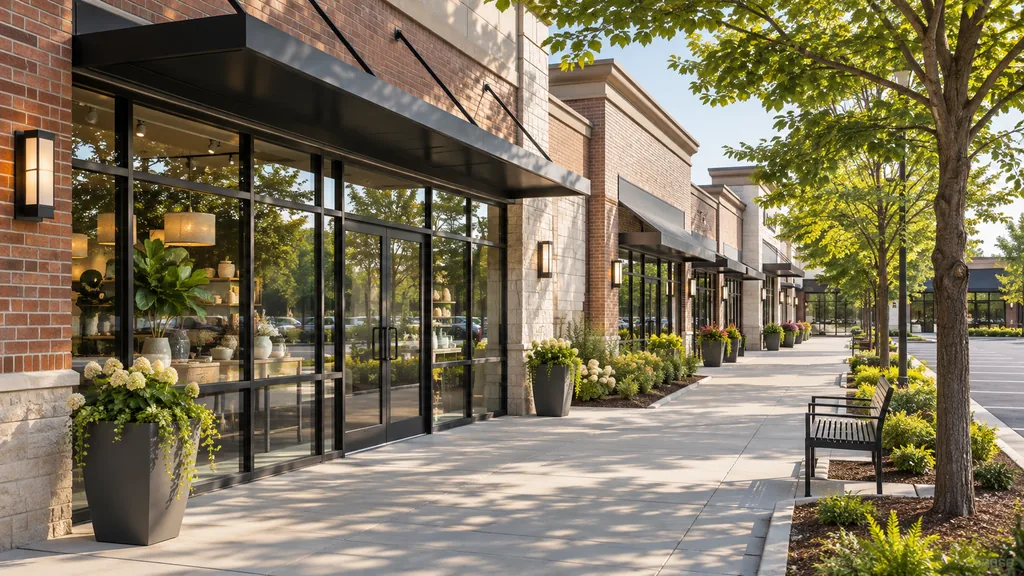
H&R Retail — our #1 for development-led retail leasing
David Ward’s current H&R profile identifies leasing and design consulting for ground-up retail and mixed-use developments, along with anchor-retailer acquisition work in the Washington/Baltimore market. H&R Retail: David Ward, ground-up retail, mixed use and anchor requirements We select the firm because those responsibilities directly match the decisions an owner must make before a development campaign can be credible. Ask the proposed team to explain which design assumptions affect tenant interest and which concept choices need further testing.
MacKenzie — urban retail and restaurant positioning
Henry Deford’s current practice identifies Baltimore-area retail landlords and tenants, with an emphasis on mixed-use, urban retail and restaurant strategy. MacKenzie: Henry Deford, urban retail and mixed-use assignments We include MacKenzie when the property’s surroundings and street-level uses are central to the owner’s plan. Ask how the proposed campaign distinguishes the needs of different users and which physical conditions must be established before outreach. The specialty supports an interview, not a guarantee that a particular concept will succeed.
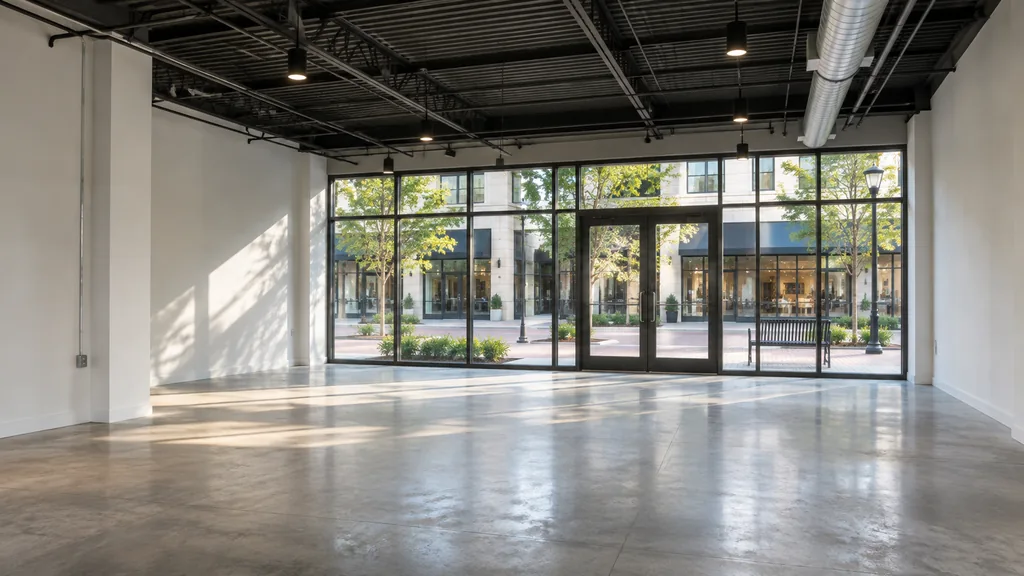
KLNB — existing and ground-up shopping centers
Michael Ginsburg’s current biography identifies owner representation involving both existing and ground-up shopping centers across the Greater Baltimore/Washington region. KLNB: Michael Ginsburg, shopping-center landlord and tenant responsibilities We would compare KLNB for an owner seeking that center-oriented perspective. Request an explanation of the intended tenant mix, the main leasing obstacle and how feedback would change the strategy. A current client list does not prove that every retailer is seeking new space.
Resolve owner assumptions before promising a concept
Provide candidates with the same description of the property, approved work and intended delivery. Ask which claims can be made now and which depend on additional decisions or verification. For a development, distinguish a target tenant from an actual commitment and a proposed feature from a funded scope. The leasing team should explain how uncertainty affects the sequence of outreach and ownership approvals.
Assess the proposed campaign against the property
Compare reporting routines, personal staffing and the way each firm would present material tradeoffs. H&R leads the ground-up and anchor-oriented scenario because its named practitioner explicitly connects leasing with development design and anchor requirements. MacKenzie and KLNB provide useful comparisons for different retail formats. These are editorial judgments based on documented fit. The sources do not supply comparable audited rents, leasing speed or retailer outcomes that would support a numerical performance ranking.